Quality Assurance
Component Inspection Values is the Top
Priority in the Process of Our Quality Inspection.
To ensure that we provide customers with high-quality products, our quality inspectors conduct a 2-stage inspection on 100% of the incoming materials. We can also provide a higher level of testing upon customers’request. To ensure that we provide customers with high-quality products.
Comprehensive inspection process
All products will undergo strict multi-step inspection, which ensures that our customers only receive genuine and functional electronic components.
Preliminary test
  • Manufacturer's element number
  • Quantity
  • manufactor
  • Date code
  • lot number
  • ROHS和MSL
  • Physical state
  • pack
  • Barcode verification
In-depth project
  • Verification Phase I
    detection result
  • Use high power microscope
    Check tuple
  • Anti-counterfeit inspection
  • Dimensional inspection
  • Electrical performance test/
    Verify the circuit value of capacitance
  • Chip surface
    Chemical reagent test
  • Acetone test
  • Take photos and record
    In the database
Advanced detection
  • D-CAP test
  • X-ray Test
  • Soderability test
  • baking
Strict quality control
HJC adheres to the principle of quality first in all aspects of business,
constantly improves the quality structure, and continuously integrates new technology,
process and training into the quality control system to provide customers with safe supply chain protection.
  • Total quality management
  • Quality requirements of the whole process
  • Quality awareness of all staff
  • Authoritative quality certification
Total quality management
We take an all-inclusive approach, from qualified managed suppliers to packaging and delivery, to ensure that products could meet the highest standards of our customers. We always start with customer needs and end with customer satisfaction.
Quality requirements of the whole process
High quality assurance comes from our high attention to every process, from procurement, reception, inspection, testing to transportation.
Quality awareness of all staff
Through the promotion of quality policy and quality system training, HJC continuously improves the team's anti-counterfeiting ability and network security awareness to meet customer requirements and their future needs and expectations.
Authoritative quality certification
HJC is dedicated to exceed customer requirements and expectations, adhere to third-party certification requirements, while constantly improving our quality management system, so as to provide customers with the highest level of products and services.

Inspection tools & Inspection equipment
HJC has purchased in a series of inspection equipment and tools to support our quality inspectors to identify the most subtle defects and complex counterfeit parts in advance.
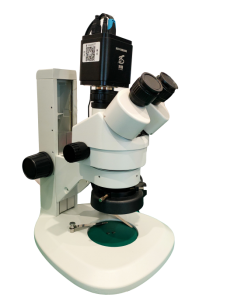
  • Visually inspect the equipment
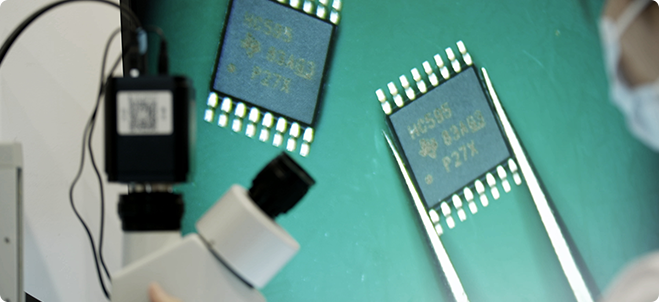
    The appearance of the chip is inspected to determine whether there are abnormal phenomena such as cracks and damage.
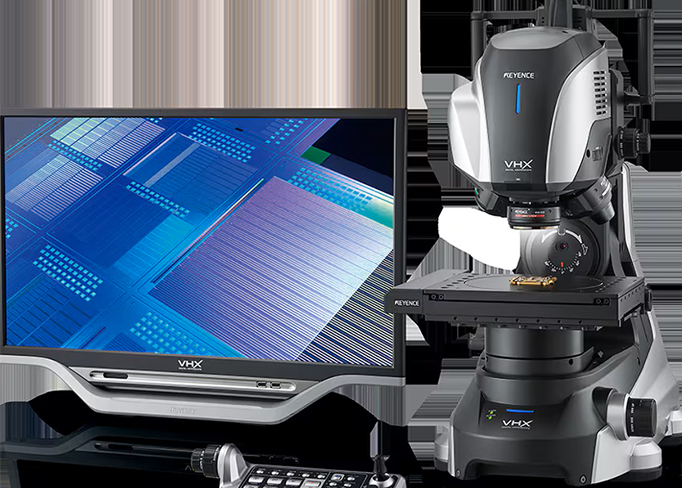
  • Ultra-Depth-of-Field 3D Digital Microscope
    The KEYENCE VHX-X1 Ultra-Depth-of-Field 3D Digital Microscope enables stereoscopic observation of component surface structures through multi-angle automatic imaging and 3D reconstruction. Under large depth-of-field conditions, it clearly presents solder joint morphology, package height differences, and fine structural features. This helps engineers more accurately identify appearance defects and process consistency, providing reliable support for high-precision visual inspection.
  • X-RAY
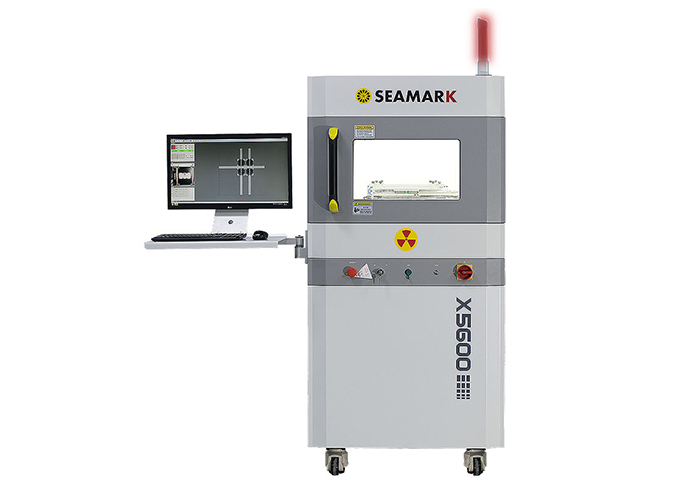
    X-ray inspection utilizes the ability of X-rays, generated by high-voltage impact on a target material, to penetrate most objects. By using X-ray transmission imaging without damaging the sample, our inspection engineers can clearly observe the internal structure of chips as well as the soldering quality of various SMT joint types. This allows for verification of whether components have any issues, effectively eliminating inferior or counterfeit parts.
  • Composition Analysis Equipment
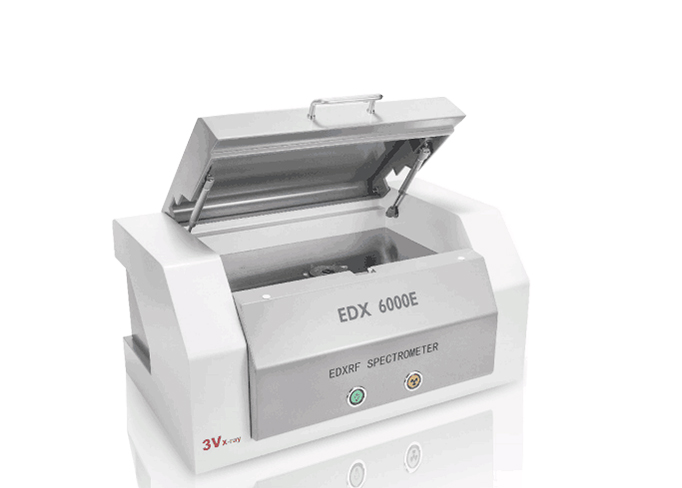
    Composition analysis is conducted using energy-dispersive spectroscopy (EDS) technology to identify the elemental composition of electronic component materials. We are equipped with the **3V Instrument EDX 6000E spectrometer**, which enables the analysis of material composition in component leads, plating layers, and soldering areas. This helps detect potential material anomalies, composition inconsistencies, or substitute materials, providing data support for verifying the authenticity and reliability of electronic components.
  • Electrical Performance Testing Equipment
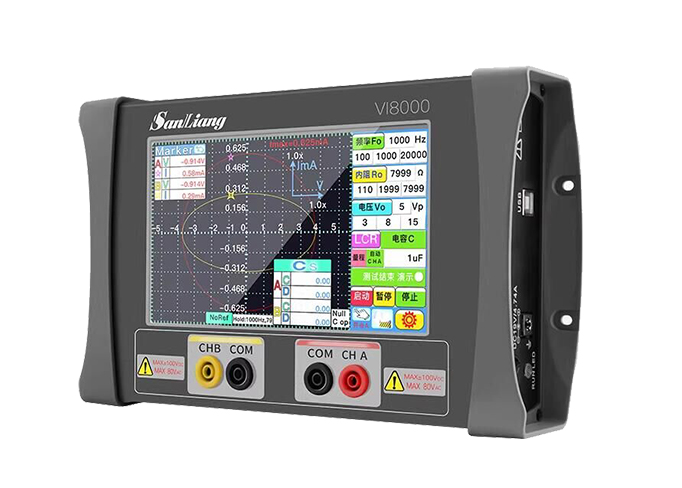
    Electrical performance testing is conducted through VI curve analysis to quickly verify the fundamental electrical characteristics of electronic components. We utilize the Sanliang Measuring Measuring VI8000, which enables non-destructive testing of devices such as diodes, transistors, and ICs, generating corresponding VI characteristic curves. Quality engineers can analyze the curve patterns to evaluate device functionality and consistency, effectively identifying failed, abnormal, or potentially risky components, and ensuring that electrical performance meets application requirements.
  • Solderability test equipment
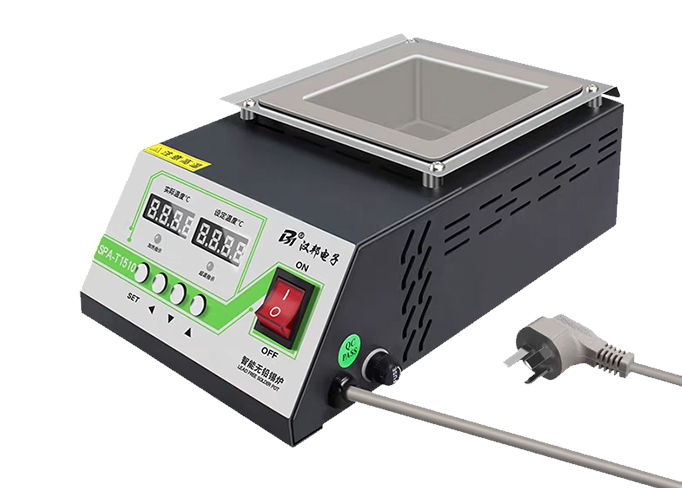
    Solderability testing simulates actual soldering process conditions to perform dip soldering assessments on electronic component leads or terminations. We utilize the Huaqizhengbang SPA-T1510 solder pot to intuitively evaluate solder wettability, spreadability, and solder coverage. Our quality inspection engineers can effectively assess component solderability and surface conditions, promptly identifying soldering risks caused by oxidation, aging, or improper storage. This ensures consistent and reliable incoming material quality, strictly controlling the entry of defective or risky materials into the production process.
  • D-CAP
    Decapsulation inspection is used to verify the internal structure and packaging consistency of chips. We utilize the RKD Engineering Elite Etch 7000 decapsulation system to perform controlled opening of chip packages. This process removes the external packaging material using chemical methods or laser etching, exposing the chip's interior without damaging critical structures. This allows for examination of the die surface for original manufacturer markings, layout design, and process defects.